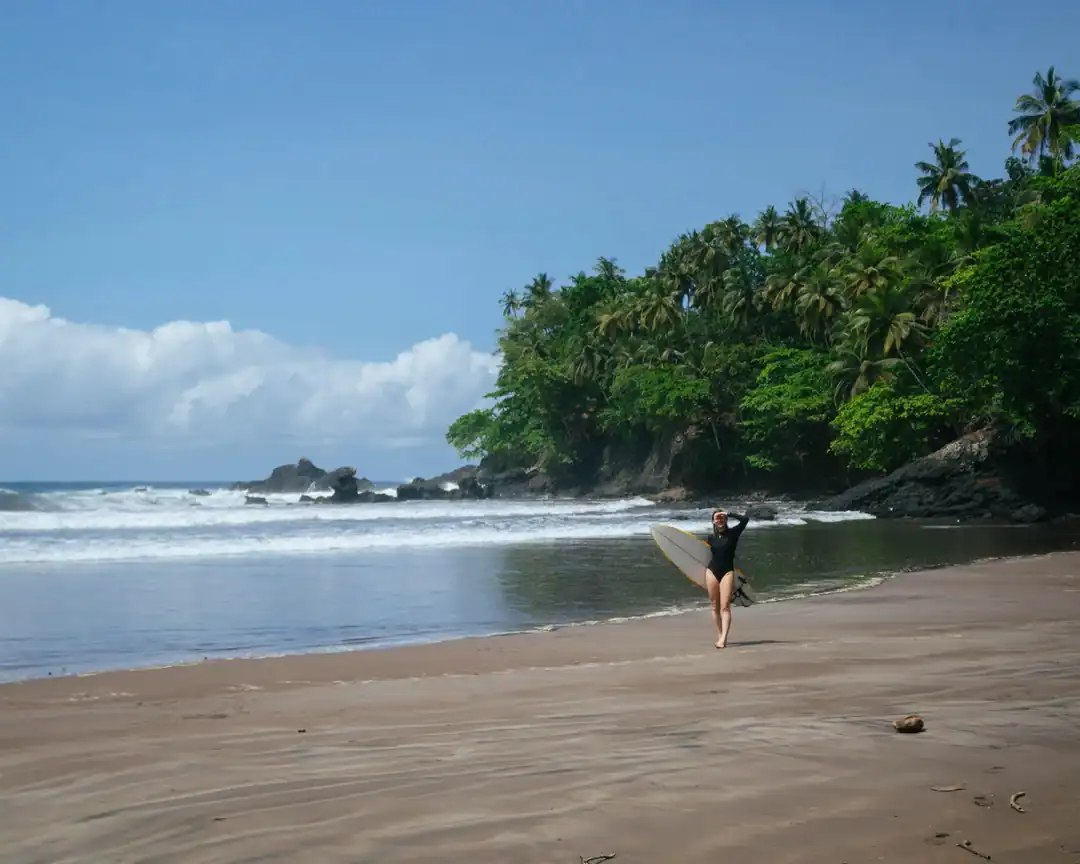
Right-hand point break north of Santana, named after the towering radio beacon of the former Voice of America relay that looms over the headland. South swell wraps around volcanic rock into long, mellow walls, widely cited as one of Africa’s finest points. Known locally as Praia de Algés.
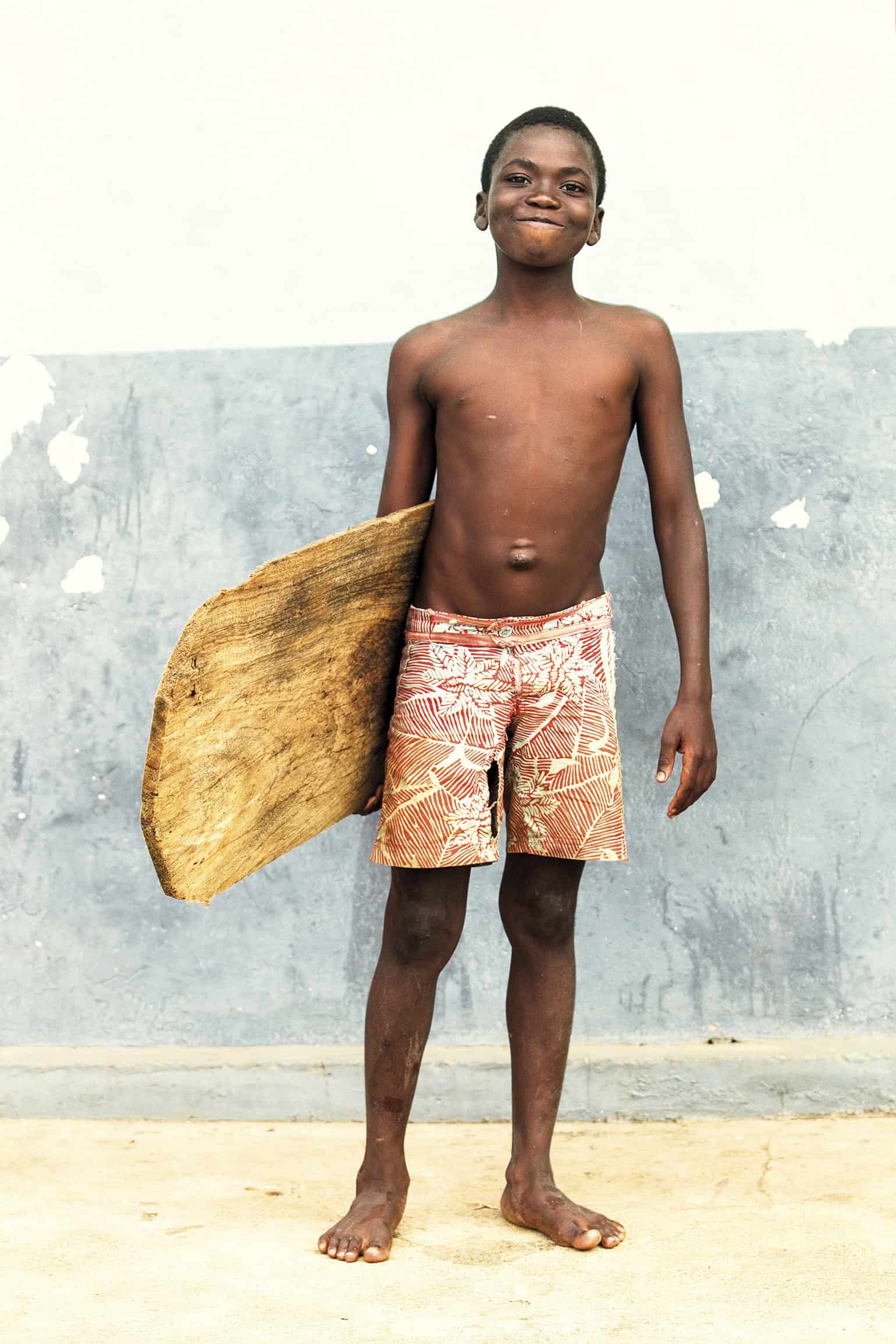
The heart of São Tomé’s surf scene, home to the São Tomé Surf Club and the island’s most active local crew. A rocky beach break south of the capital where the community first took up surfing, still the easiest place to find a board and a session.
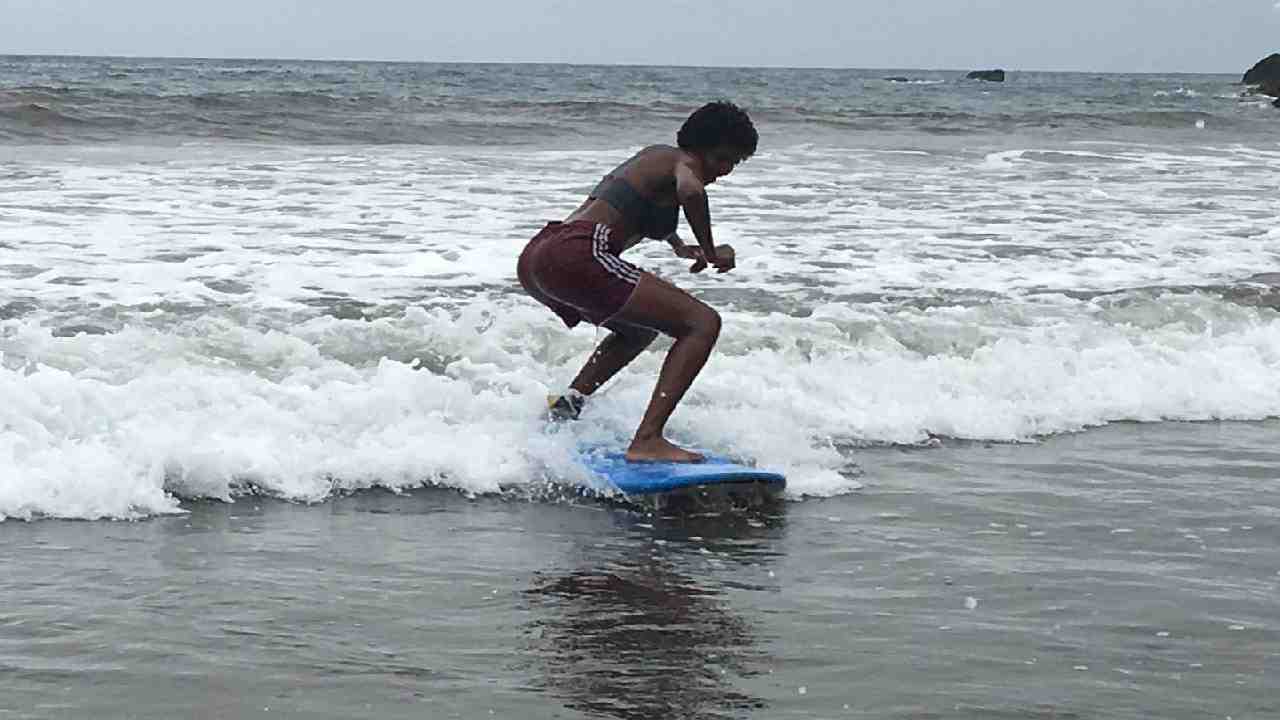
A beach break just south of Santana whose name translates as “Seven Waves”. Sandy bottom and forgiving take-offs make it the go-to spot for beginners and where the surf club runs most of its lessons.
A left-hander breaking off Ilhéu das Rolas, the small islet straddling the equator south of São Tomé. First documented in 2000 by the Callahan, George and Rarick expedition that put the archipelago on the international surf map. Named for its position on latitude zero.
A fishing village on the southern tip of São Tomé and one of two surf hubs on the island, the other being Santana on the east coast. The remote setting and limited access mean uncrowded waves for those who make the journey south.
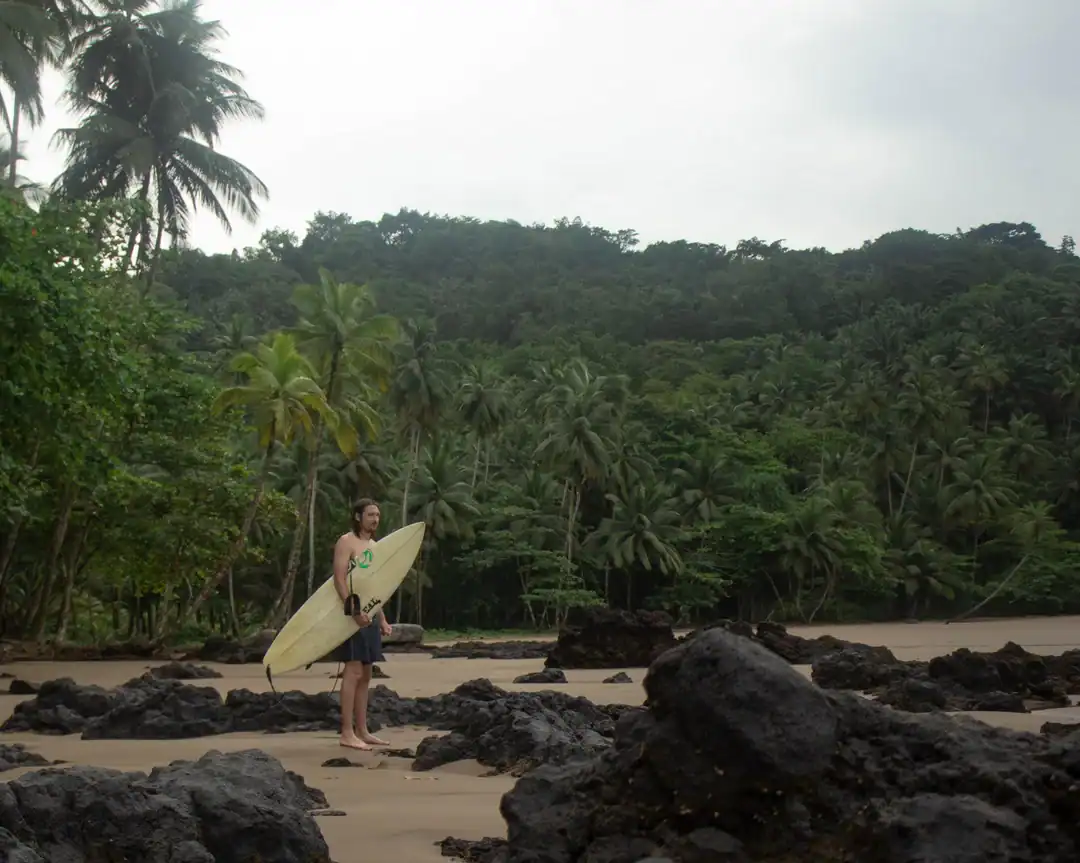
São Tomé’s coastline shapes the surf. Volcanic rock, reef, lava shelves, and narrow bays all affect how swell bends and breaks. Conditions can change quickly with the tide and swell direction, so each spot needs to be read carefully before paddling out.
Reef and rock also make entry and exit more technical. Low tide can expose shallow sections, while more water can make a break less sharp. Reef boots can help at more exposed spots, and a basic first aid kit is worth carrying because surf gear and supplies are limited on the island.
Getting to the surf in São Tomé takes planning. The breaks are spread out, roads can be slow, and public transport cannot carry boards, so most surfers need their own vehicle.
It also pays to arrive prepared. Boards, fins, leashes, wax, and repair gear are hard to replace on the island. I checked this at the TAP desk at São Tomé airport, and TAP will carry surfboards even though that is not clearly stated on the airline’s site. Size limits and fees can still vary, so it is still worth checking before travel.
There is no fixed surf circuit here. Most sessions depend on the tide, swell, and access on the day.
It is also important to arrive with the gear you plan to use. Boards, fins, leashes, wax, and repair kits are difficult to replace on the island, and there are no full surf shops. Surfboards usually travel as sports equipment on international flights, but size limits and fees vary by airline. Smaller inter-island flights may restrict board length, so it helps to check in advance.
A relaxed schedule works best here. There is no fixed surf circuit or set route. Most surfers follow the coastline, check the tide, and decide where to paddle out based on the conditions that day.

Need Advice?