Locally Based · Expert Advice
São Tomé and Príncipe Travel Guide
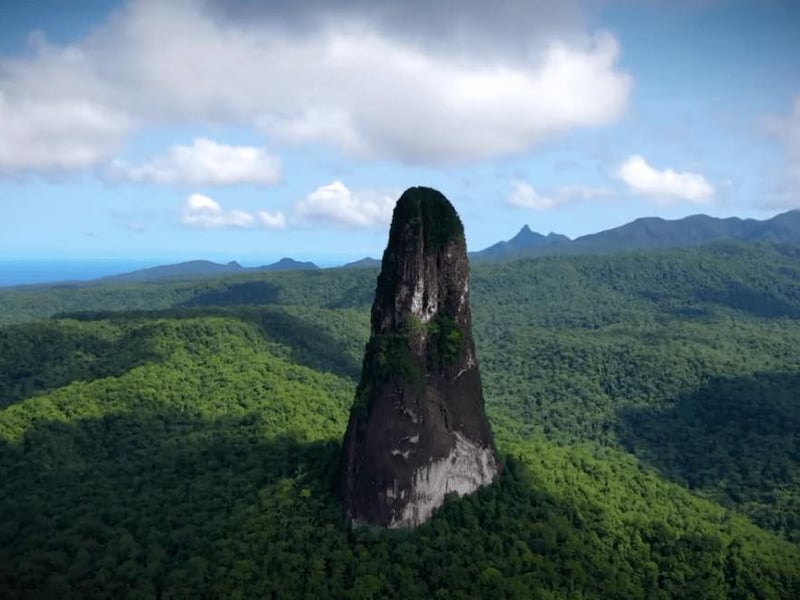
São Tomé and Príncipe sits in the Gulf of Guinea: volcanic, forested, and still largely untouched by mass tourism. Everything here is written by someone who lives on the island.
Google Reviews
Trusted by travellers who have been here
Based on real Google reviews from travellers we have helped plan, explore, and enjoy São Tomé and Príncipe.
Read all reviews on GoogleAlso on TripAdvisor

“Jack was incredible and professional in helping me plan my visit to São Tomé. He has an exceptional understanding of the island, its people, and the local tourism industry.”
“Absolutely fantastic experience with The Chocolate Islands from start to finish. The service was outstanding, incredibly responsive to every message and request, and completely reliable throughout.”
“We did a north island tour which lasted all day. It was a great introduction to the island. Our guide was very knowledgeable about history, which was just what we were looking for.”
Where to Stay
Luxury Hotels in São Tomé and Príncipe
From rainforest villas and beachfront bungalows to restored plantation houses, São Tomé and Príncipe offers some remarkable places to stay across both islands.
The Chocolate Islands arranges accommodation with the Príncipe Collection, Club Santana Beach & Resort and a wider range of independent hotels and guesthouses. We can help you choose the right accommodation, whether you're visiting São Tomé, Príncipe or both.
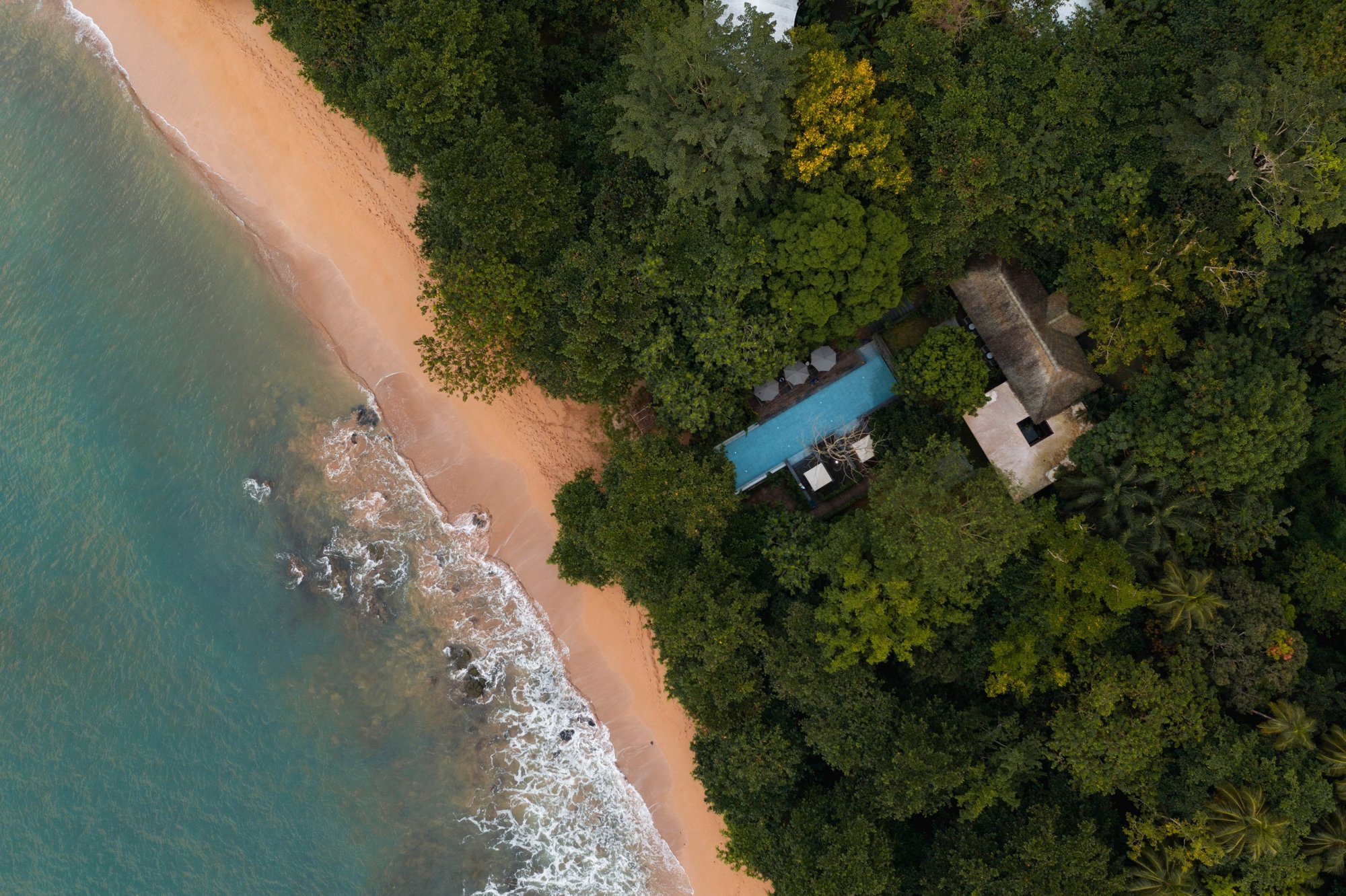
Sundy Praia
Príncipe Island
Luxury tented villas where the rainforest meets the Atlantic. Secluded, peaceful and quite unlike a conventional beach resort.
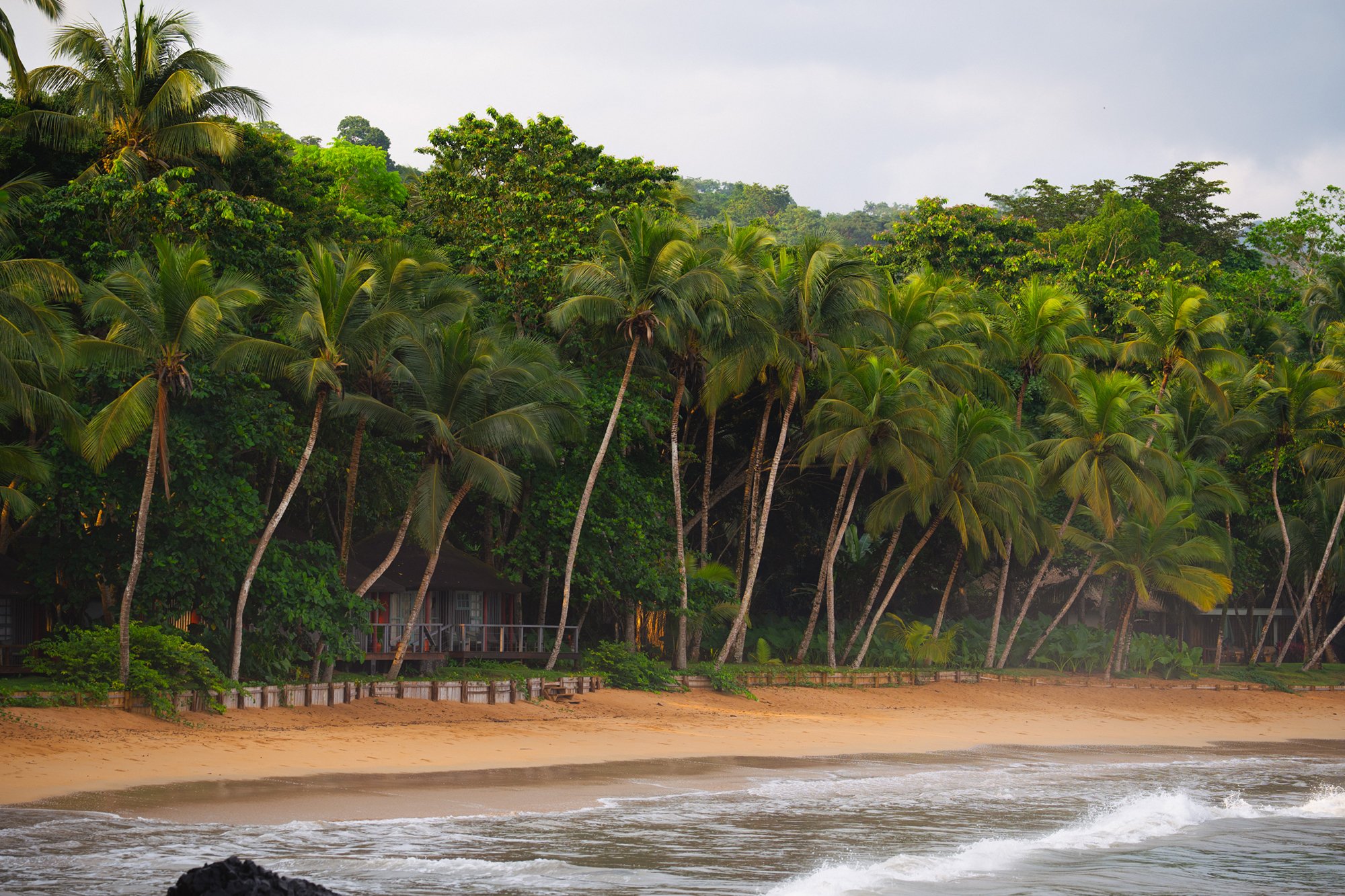
Bom Bom
Príncipe Island
Beachfront bungalows, tropical gardens and a slower pace of life on Príncipe's northern coast.
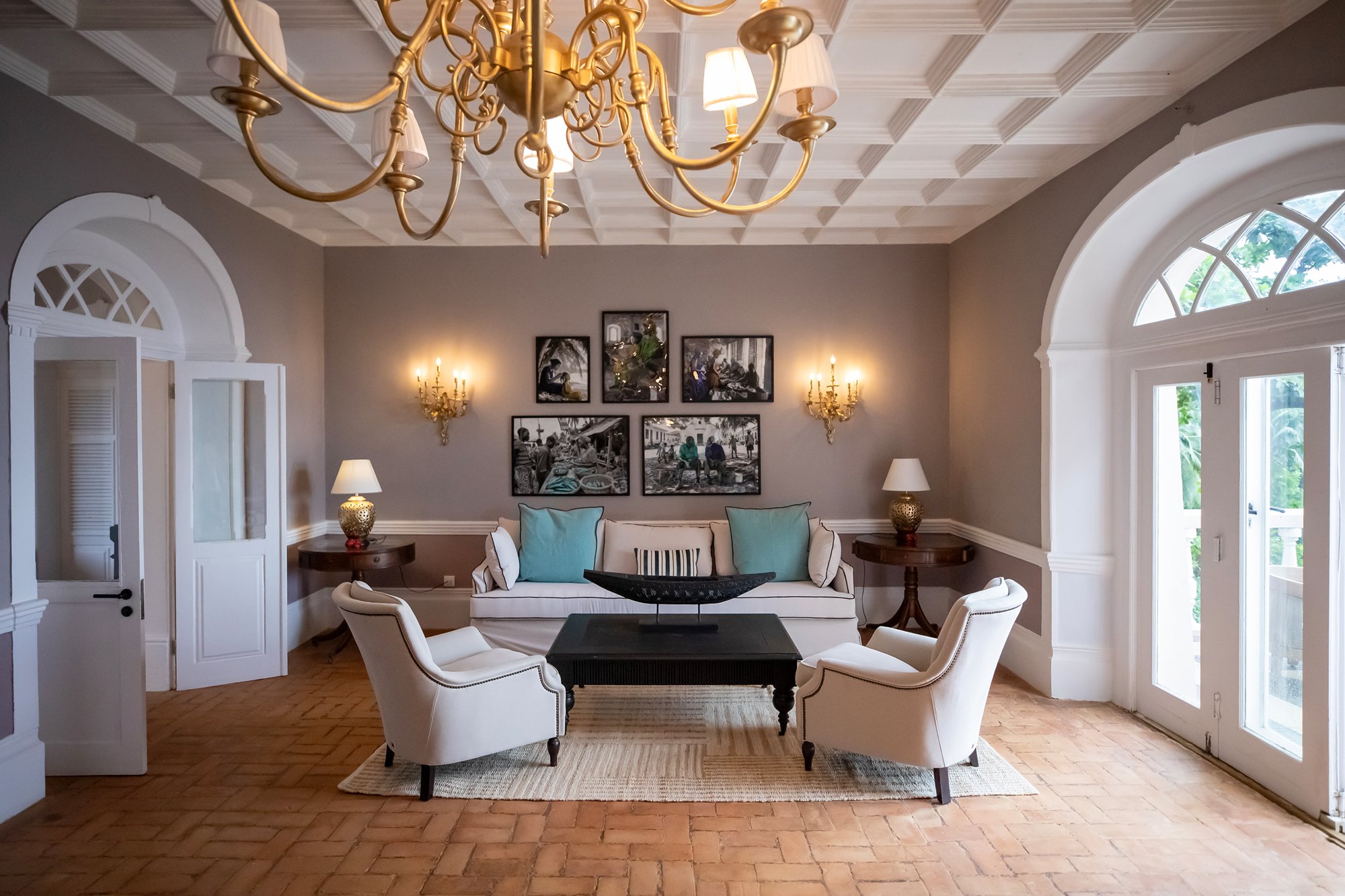
Belo Monte
Príncipe Island
A restored plantation estate, with historic surroundings and views towards Banana Beach.
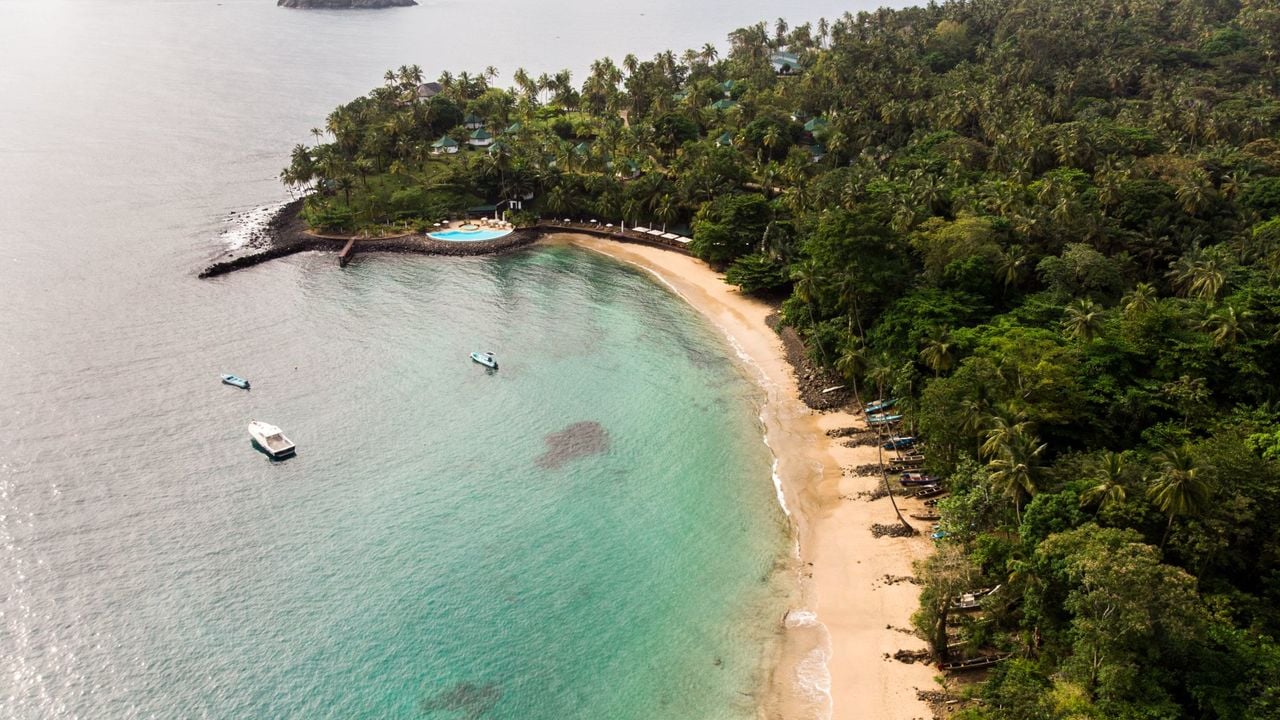
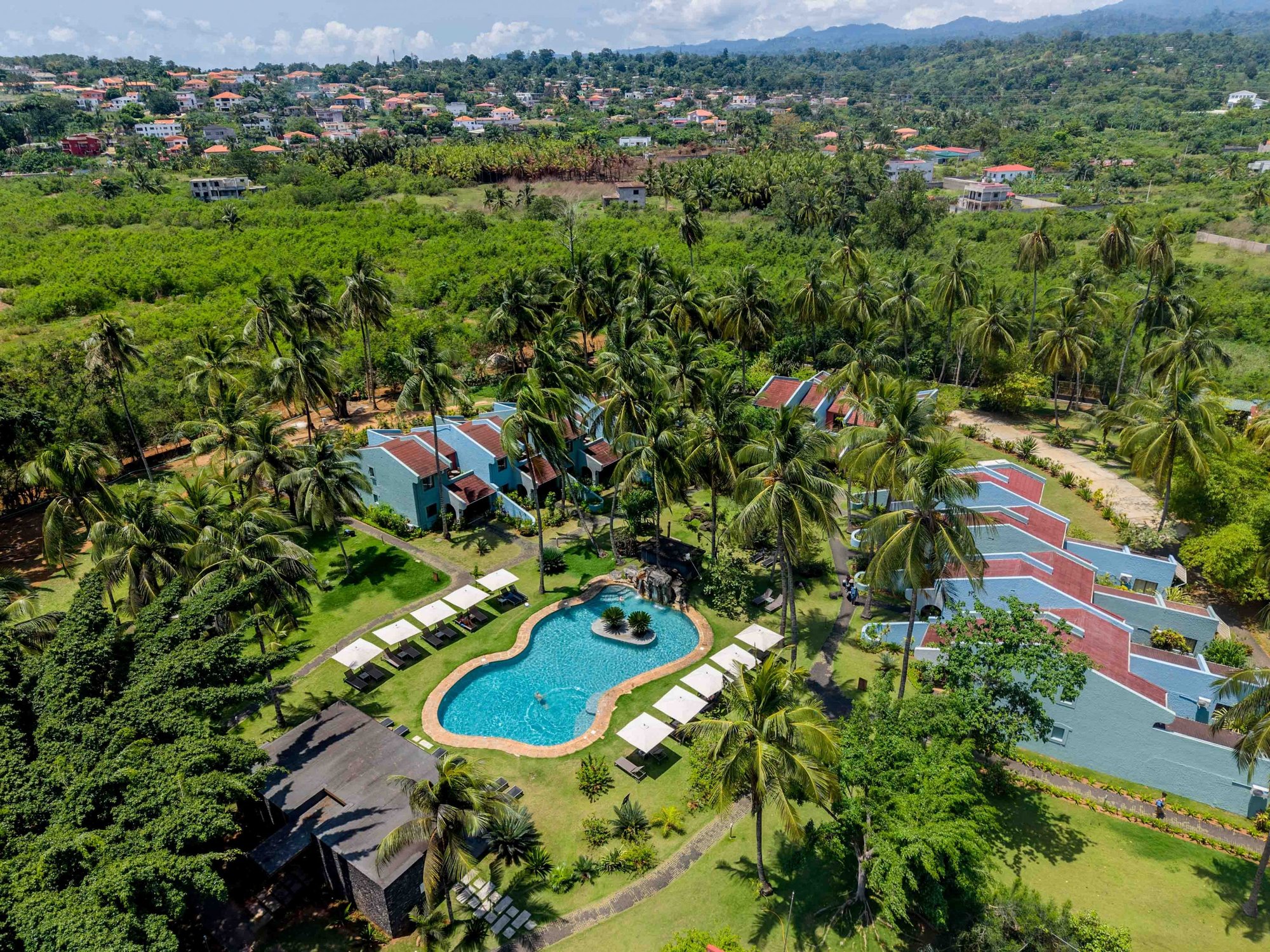
Club Santana Beach & Resort
São Tomé Island
Beachfront bungalows overlooking sheltered bays on São Tomé's eastern coast. A peaceful resort setting for travellers looking to spend time by the sea.
Flying to Príncipe? Start with São Tomé
International flights arrive on São Tomé. Depending on your connections, you may need an overnight stay before continuing to Príncipe.
Omali is close to São Tomé airport, making it a convenient choice for your first or final night. The Chocolate Islands can help arrange accommodation on both islands as part of the same enquiry.
Explore OmaliMid-Range Stays
Mid-Range Hotels and Guesthouses
Three smaller independent places we work with directly, each with its own page and instant price calculator.
North-west Coast · Eco-Lodge
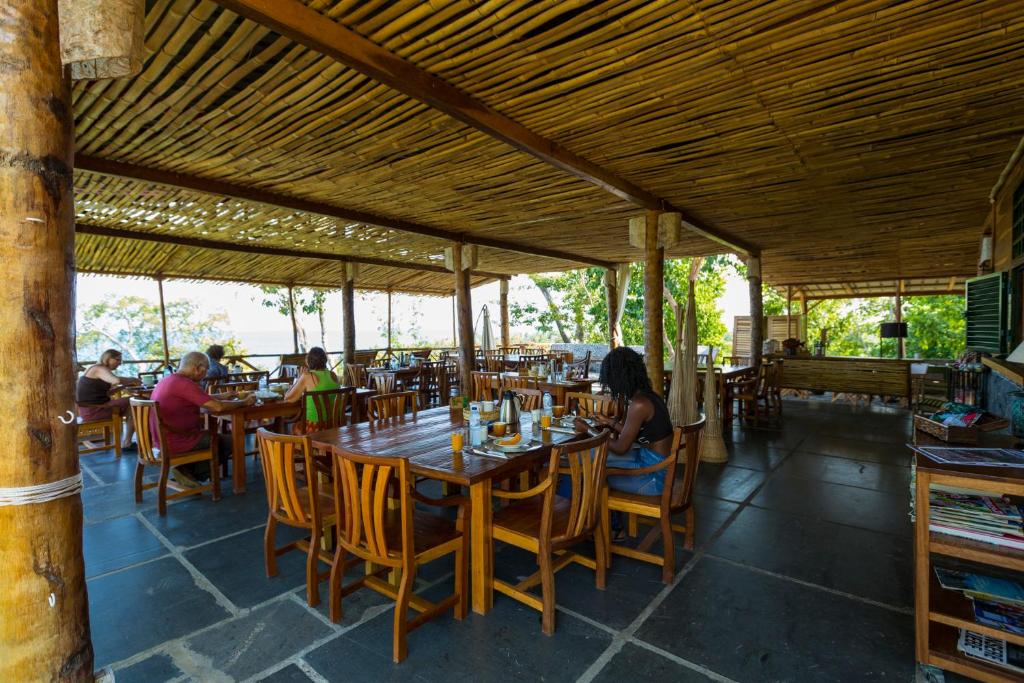
Mucumbli Ecolodge
Ocean-view wooden chalets above the Atlantic near Neves. From €85 per night, bed and breakfast included.
View Mucumbli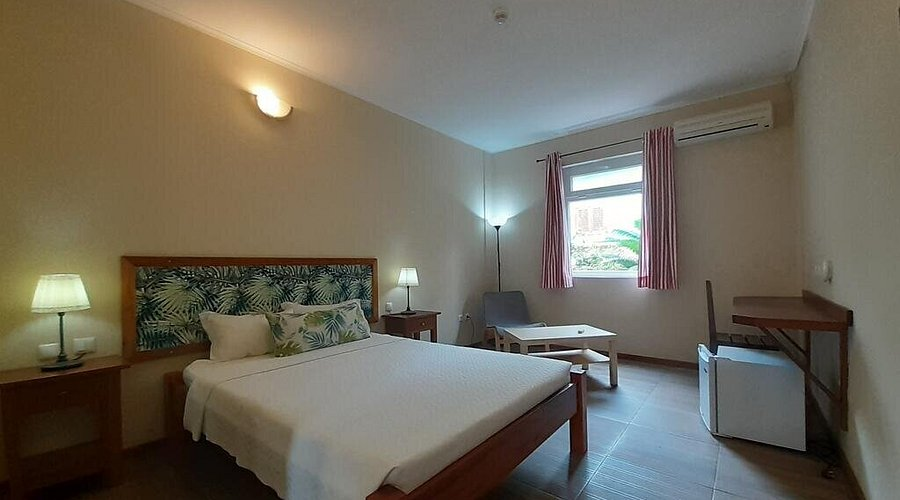
São Tomé City · Boutique Hotel
Emoyeni Gardens
Sea-view rooms and suites in the capital, continental breakfast included. From €95 per night.
View Emoyeni Gardens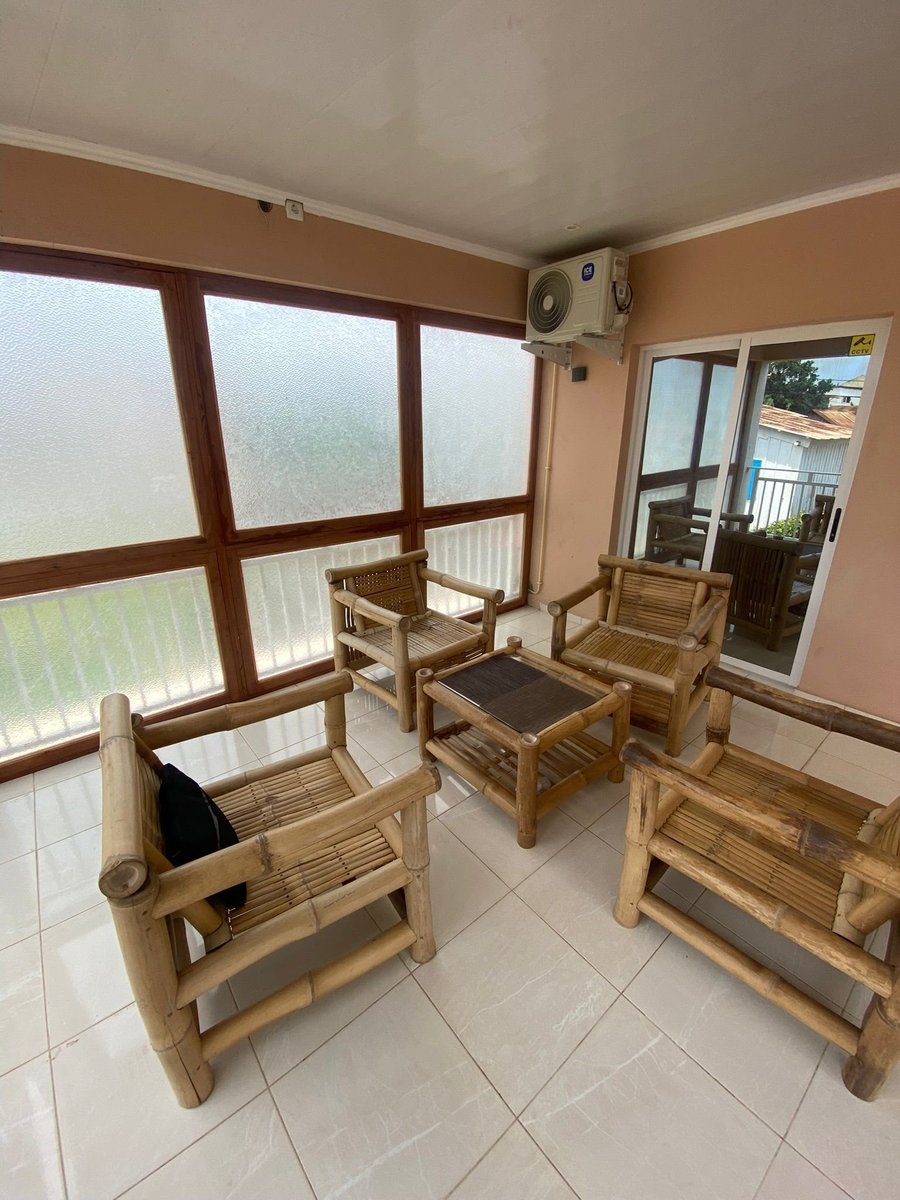
São Tomé City · Guesthouse
Residencial Bigasso
A quiet, guesthouse eight minutes from the centre, with suites and a one-bedroom apartment.
View Residencial BigassoPlan & Book
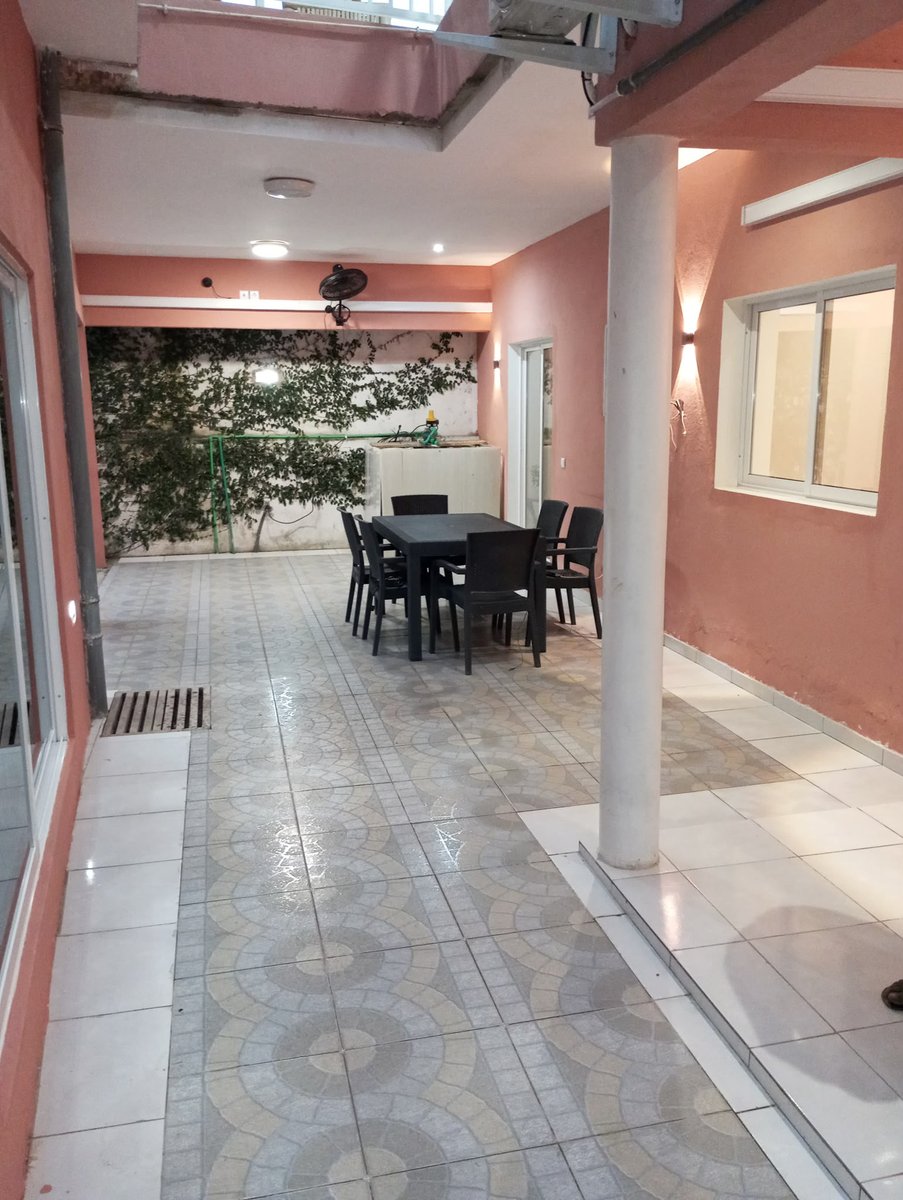
Guesthouses and Lodges with Instant Price Calculators
Pick your rooms and dates, and see the full cost of your stay straight away on each hotel page. No waiting for a quote: our price calculators show exactly what you would pay, and your enquiry arrives already priced.
 Price Calculator
São Tomé City · Guesthouse
Residencial Bigasso
A quiet, secure guesthouse in the capital. Rooms, suites and one-bedroom apartments at some of the friendliest prices in town.
Calculate Your StayPrice CalculatorSão Tomé City · Boutique Hotel
Emoyeni Gardens
A small boutique hotel in the capital with sea-view rooms and suites, breakfast included. From €95 per night.
Calculate Your StayPrice CalculatorNorth-west Coast · Eco-Lodge
Mucumbli Ecolodge
Wooden chalets above the Atlantic near Neves, run by an Italian couple for over 20 years. Bed and breakfast included. From €85 per night.
Calculate Your StayThe Príncipe hotels above include price calculators too.
Written from São Tomé
Real advice from someone who lives here
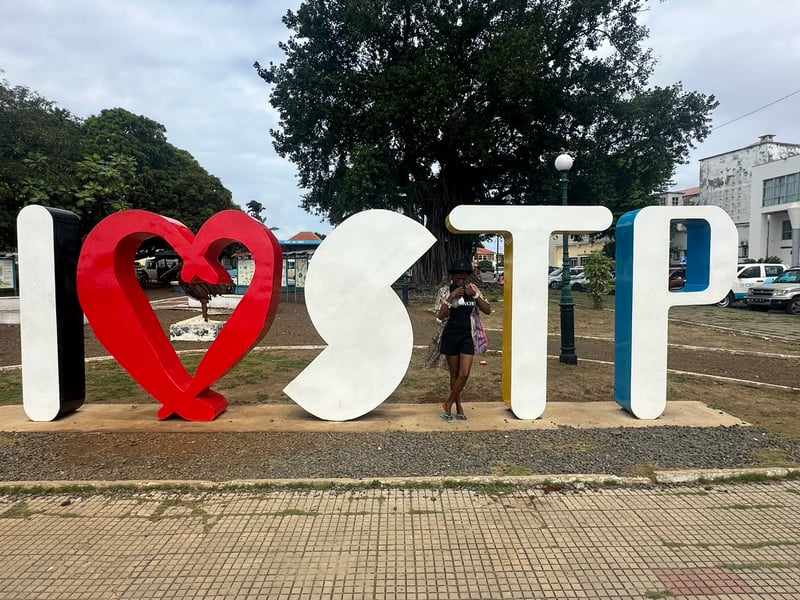
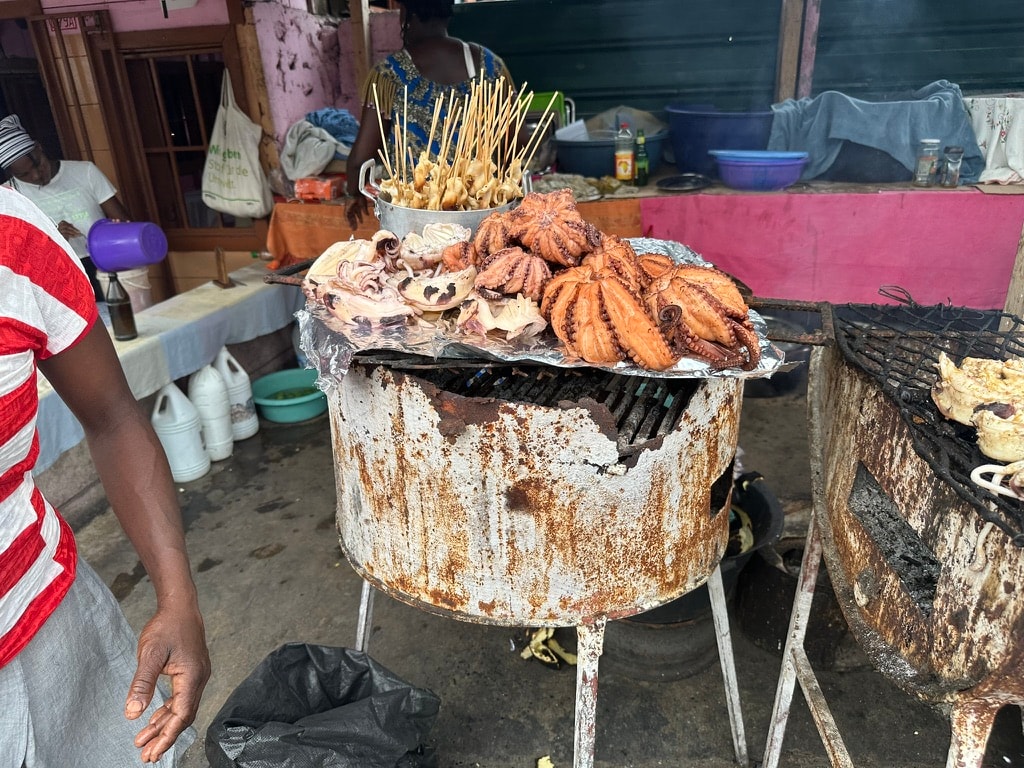
I am British, learning Portuguese, and still discovering new parts of São Tomé every day. Everything on this site is based on real, on-the-ground experience, not guidebook copy or travel agency brochures.
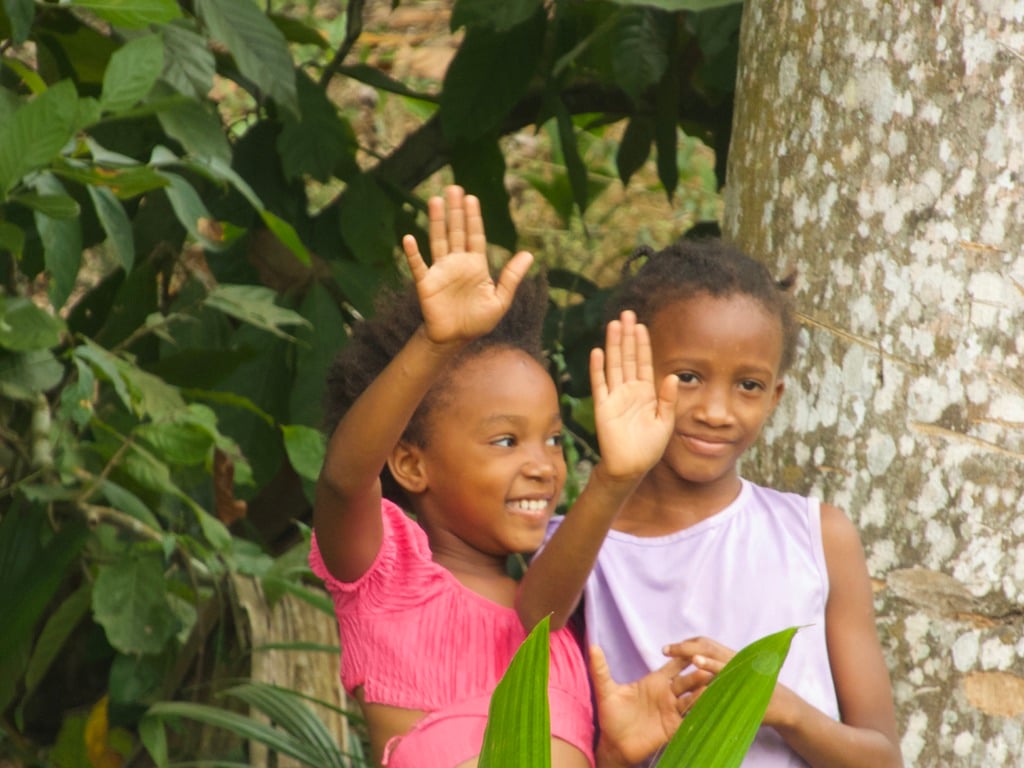
"Still largely untouched by mass tourism"
São Tomé Travel: Logistics Guide
Plan Your Trip: Logistics & Planning
Practical advice on getting here, moving around, staying safe, and making the most of every day on the island.
Getting Here
Most travellers reach São Tomé via Lisbon with TAP Air Portugal, or via Angola with TAAG, the two main routes to the island.
Flight InfoVisa Requirements
EU and UK citizens receive 15 days visa-free on arrival. Other nationalities should confirm current rules before travelling.
Explore VisasGetting Around
Motos, hiaces, local taxis, and car hire. We offer the island's most trusted locally-based car hire service.
Car HireMoney & Connectivity
Cash is essential for day-to-day travel. Mobile connectivity varies between the capital and more rural areas.
Money GuideSafety & Security
São Tomé has low crime rates and is considered safe for solo travellers, including women, though normal awareness applies.
Safety InfoHealth & Medical
Check vaccination guidance before flying, including malaria precautions. Medical facilities are limited outside the capital.
Health GuideSão Tomé Car Hire
Hire a Car
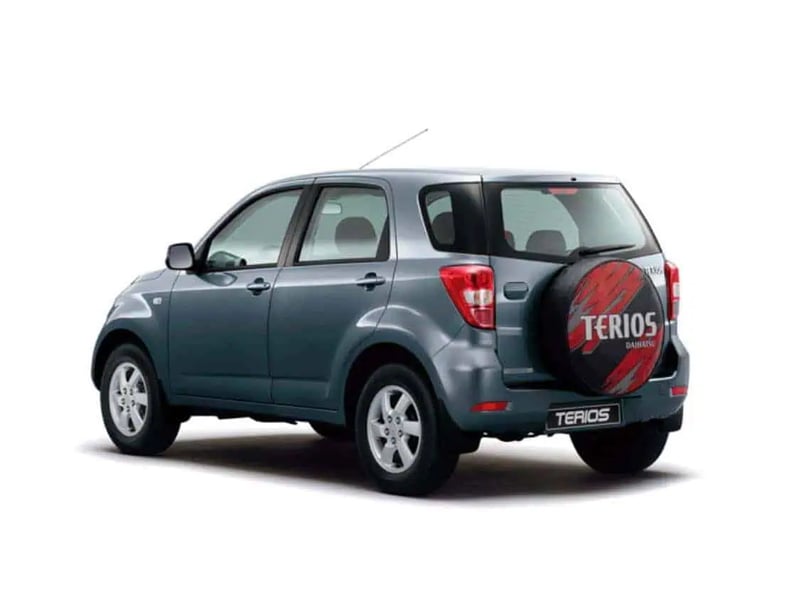
Locally based car hire with real island knowledge. We advise on road conditions, cover airport transfers and hotel delivery, and are available on WhatsApp throughout your trip.


São Tomé: Regions Guide
Discover: The Regions

São Tomé Guide: Wildlife & Nature
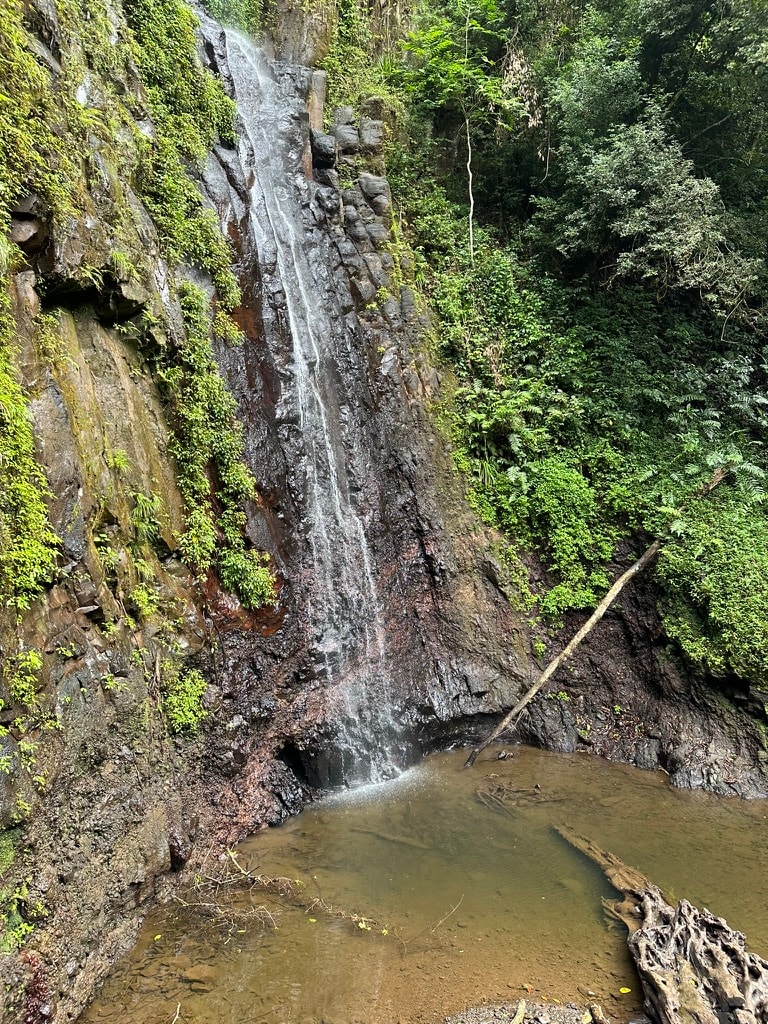
Discover: Wildlife & Nature
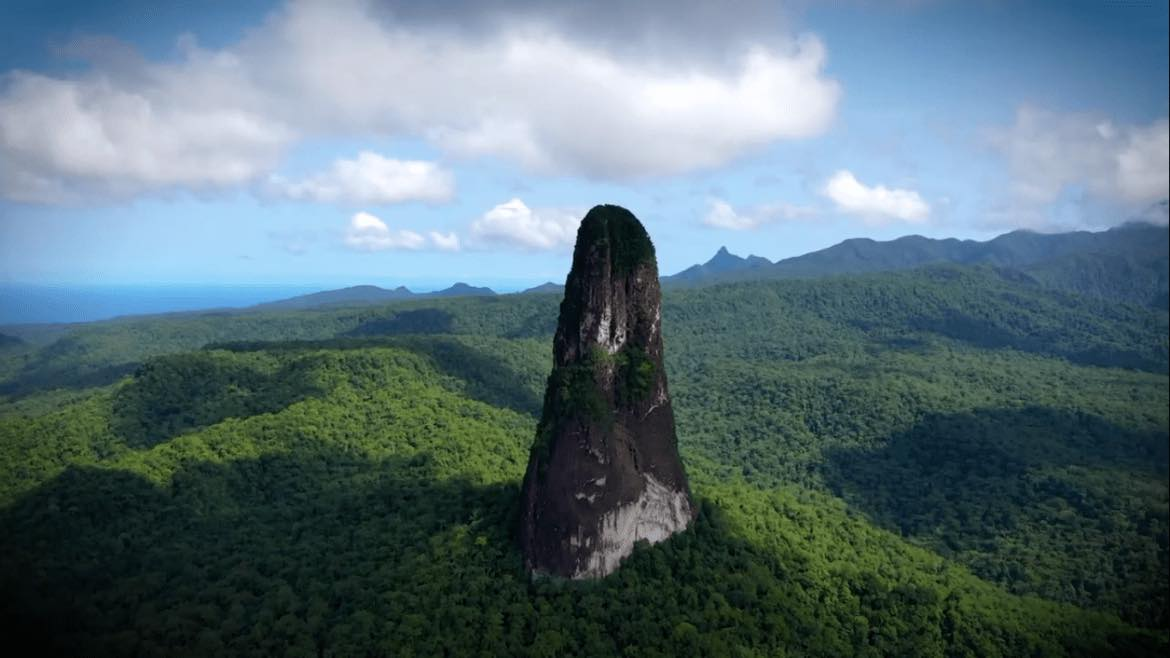
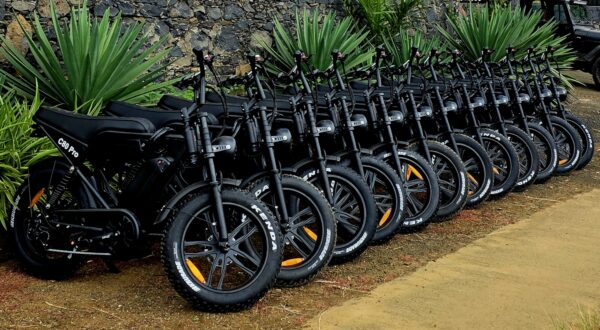
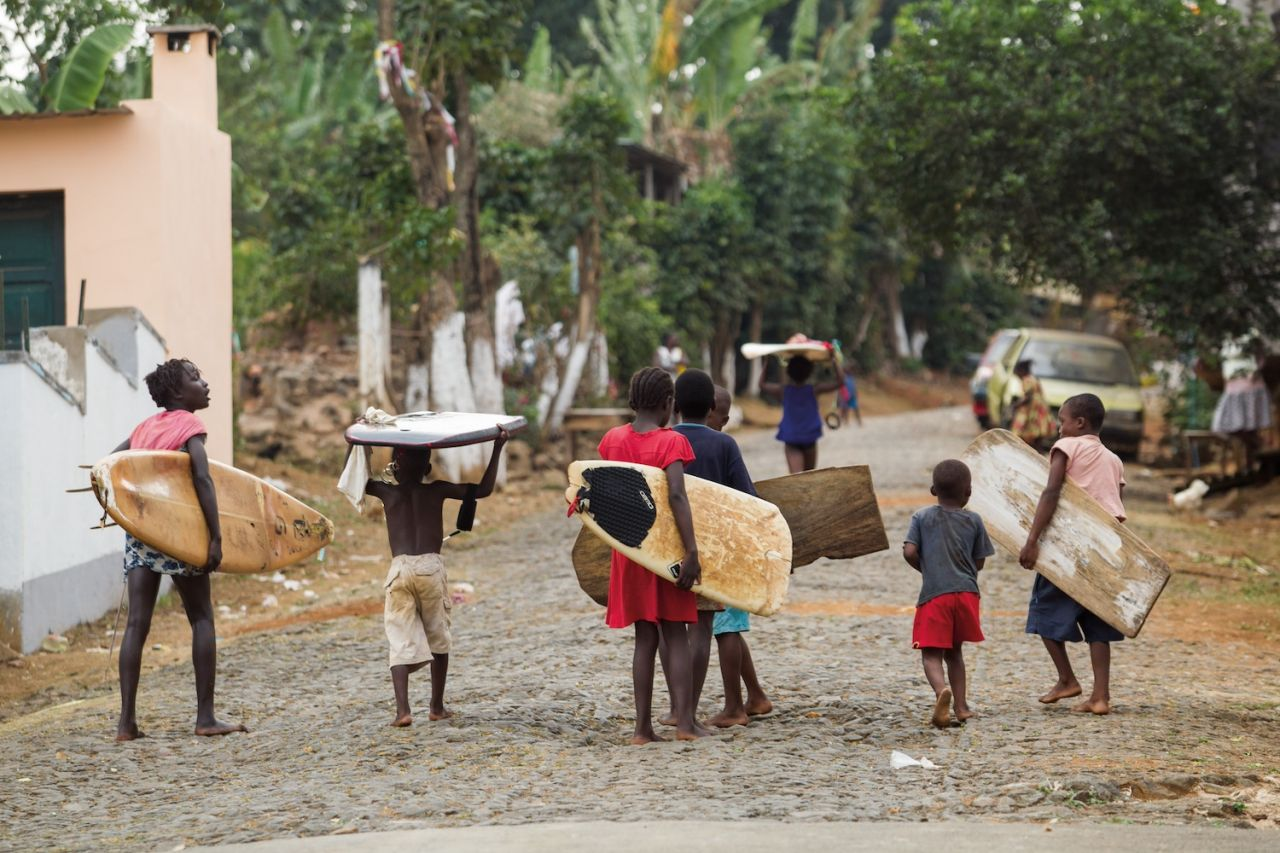
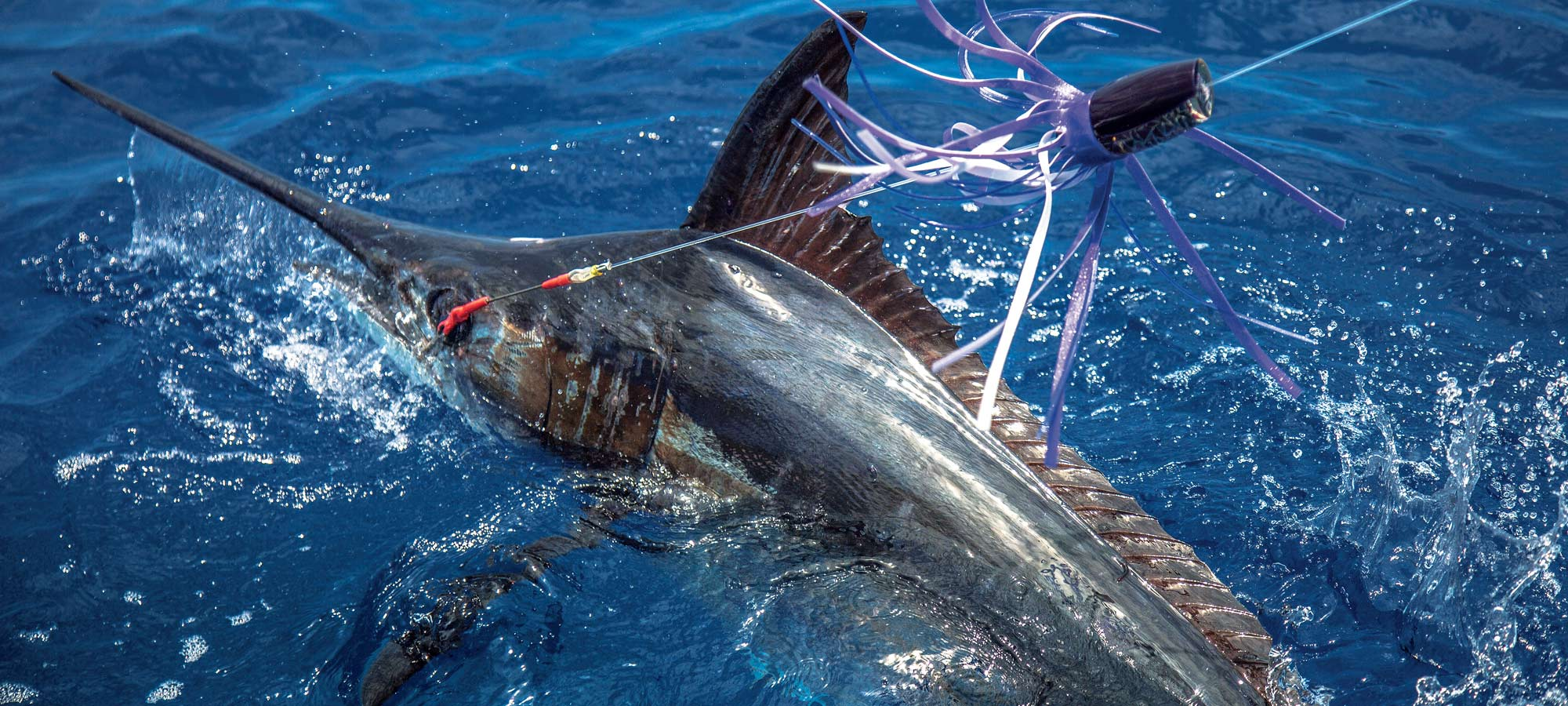

July to October Season
Whale Watching from Porto Alegre
Humpback whales pass the southern coast of São Tomé between July and October, often close inshore near Porto Alegre. We run small-group trips from the beach in a traditional fishing boat, with an experienced local skipper who treats these animals as wildlife, not a show.
City Life
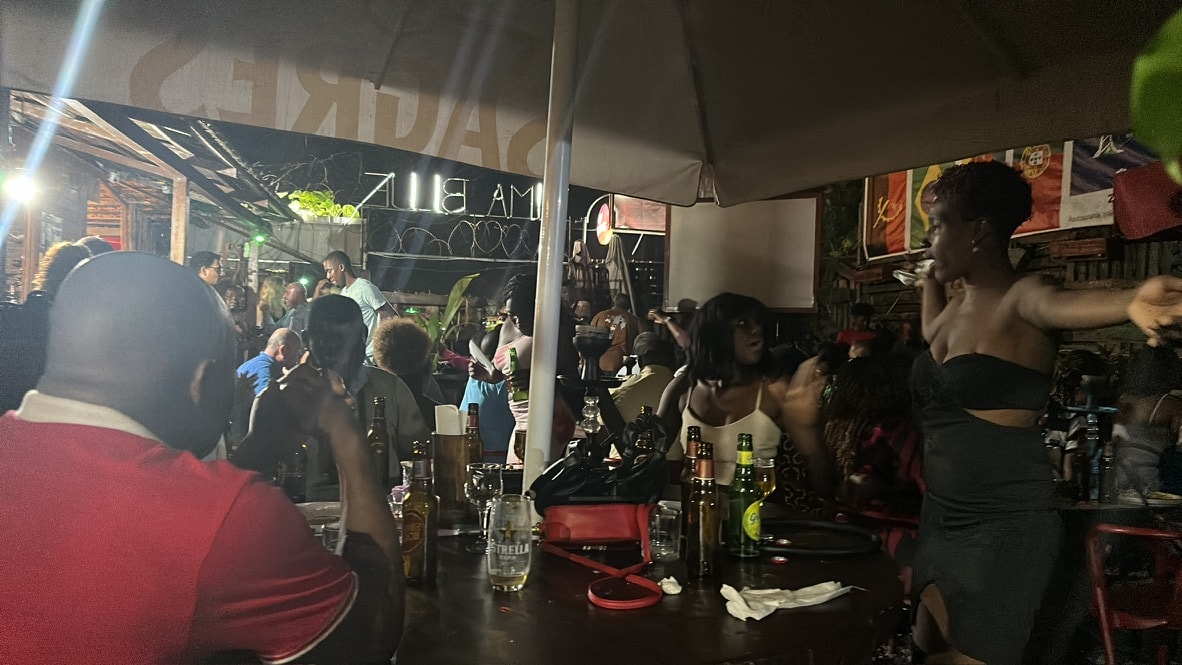
Nightlife in São Tomé
Zima in the evening, Kizomba nightclub, and Sunday parties at the national stadium. A straightforward, boots on the ground guide to where people actually go after dark, with real prices and practical advice. If you see me out in one of these places come and say hi, the first Nacional is on me.
Tailor-Made Travel
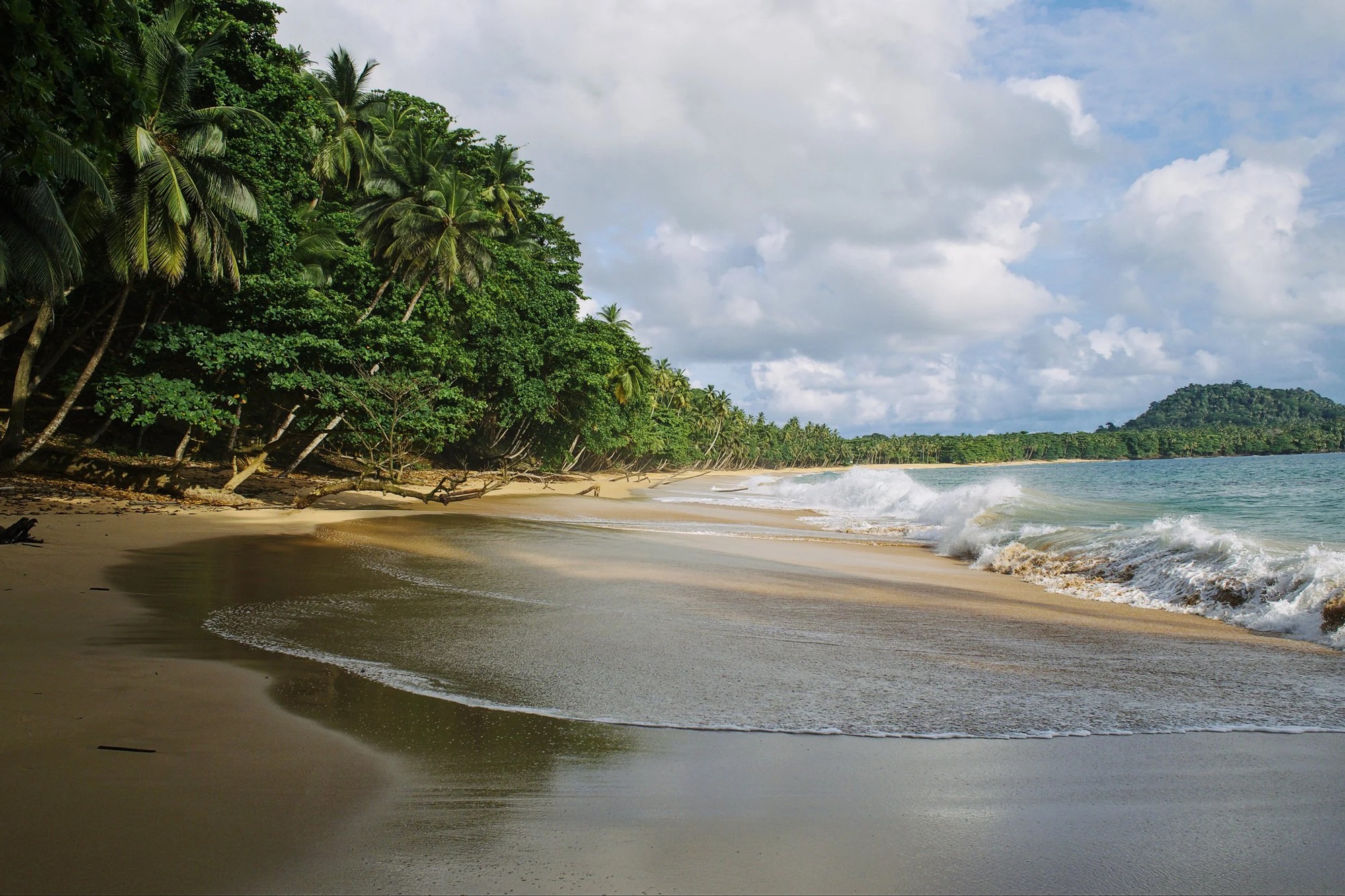
São Tomé: Private Tour Packages
Tell us your dates, your budget and how you like to travel, and we build the whole trip for you. Accommodation, private guided tours, transfers, trekking, Rolas Island and car hire, arranged as one seamless package with one clear quotation.
São Tomé Guide: Ethical Tourism
Travel: With Purpose & Positive Impact
We believe the future of travel to the Chocolate Islands depends on responsible tourism: cultural exchange while limiting environmental and social disruption.
Local Business Support
We partner exclusively with Santomean-owned guides, transport, and family-run guesthouses. Your spending directly supports São Tomé's local economy.
Respectful Engagement
Clear guidance on respecting local norms, protecting historical sites, and behaving thoughtfully in community spaces.
Protecting Biodiversity
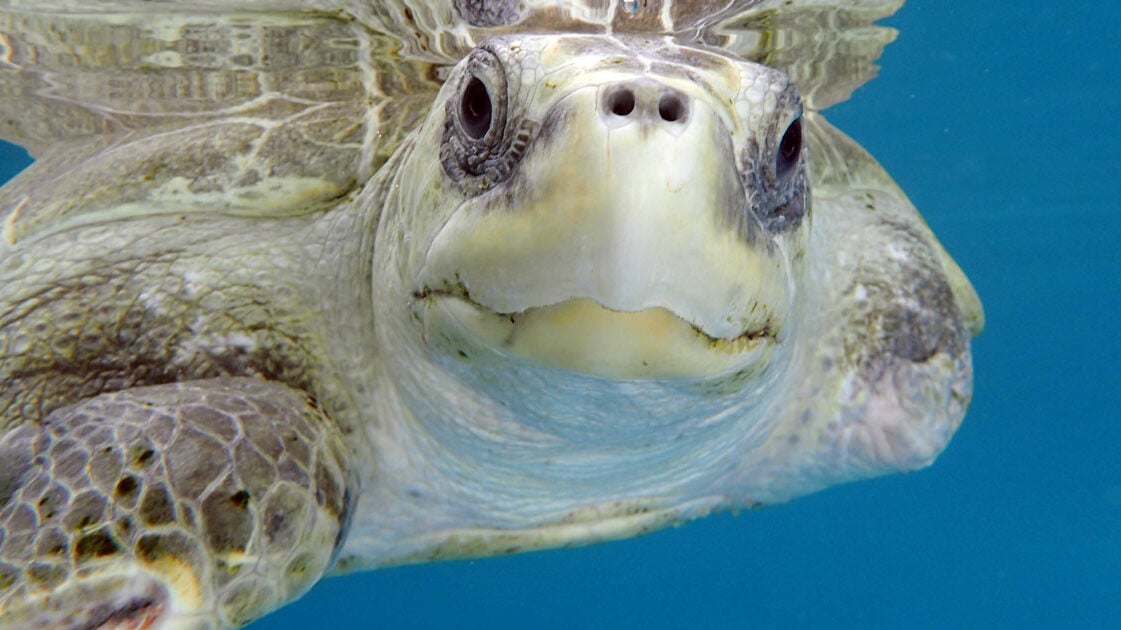
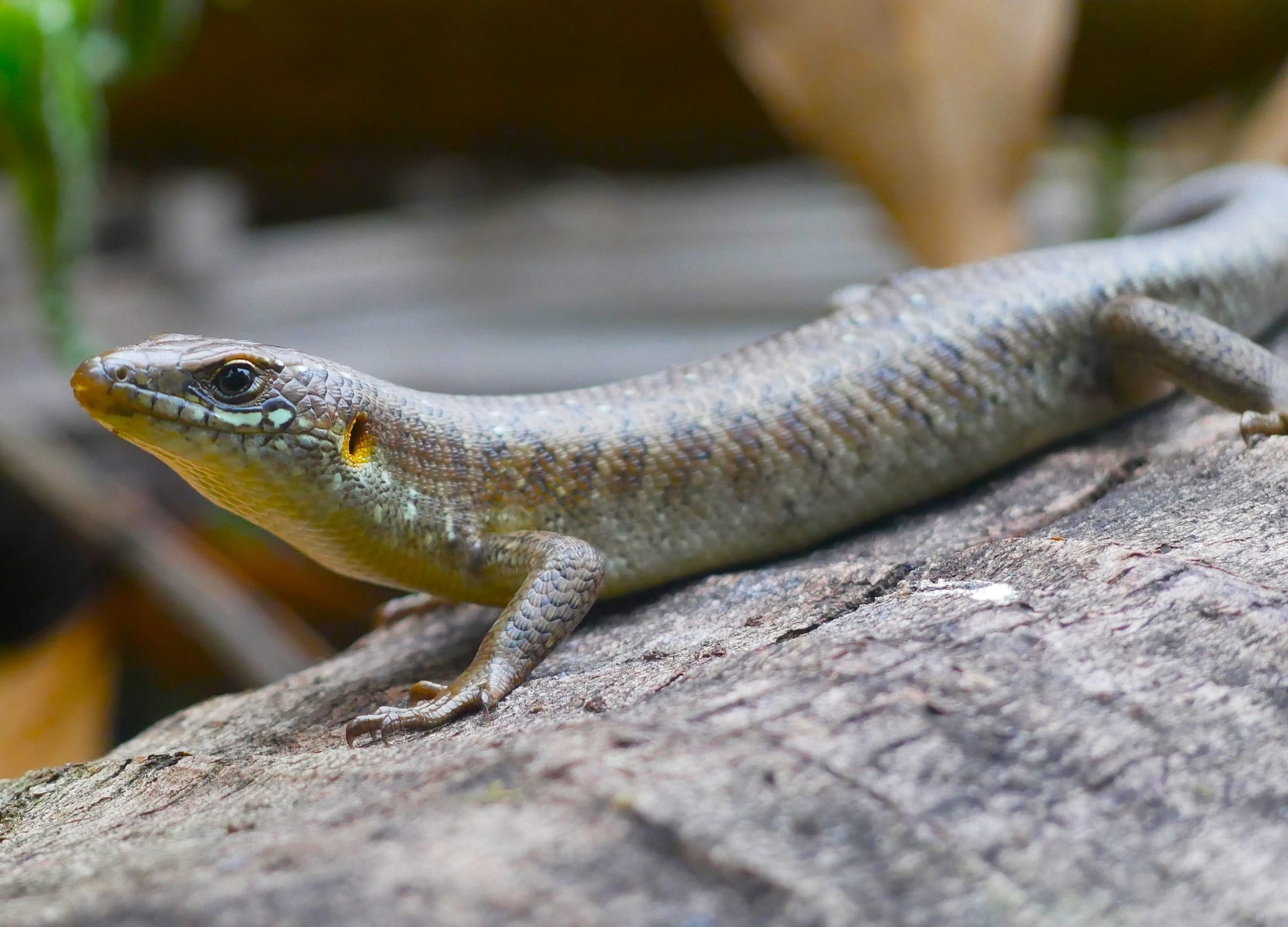
Our eco-tours minimise impact in Obo National Park. We support conservation of sea turtle nesting sites and rare endemic bird species.
Island History · Cultural Legacy
Discover: A Brief History
Early Settlement
Portuguese navigators reached São Tomé and began establishing coastal settlements on the uninhabited island.
Plantation Era
Sugar plantations expanded rapidly, powered by enslaved labour brought from West and Central Africa.
Cocoa and Coffee
São Tomé shifted toward cocoa and coffee, becoming one of the world's most significant cocoa producers.
Independence
Following peaceful negotiations, São Tomé and Príncipe became an independent nation on 12 July 1975.
Local Producer · Praia Vanha
Vanilla, Spirits and a Lodge at Praia Vanha
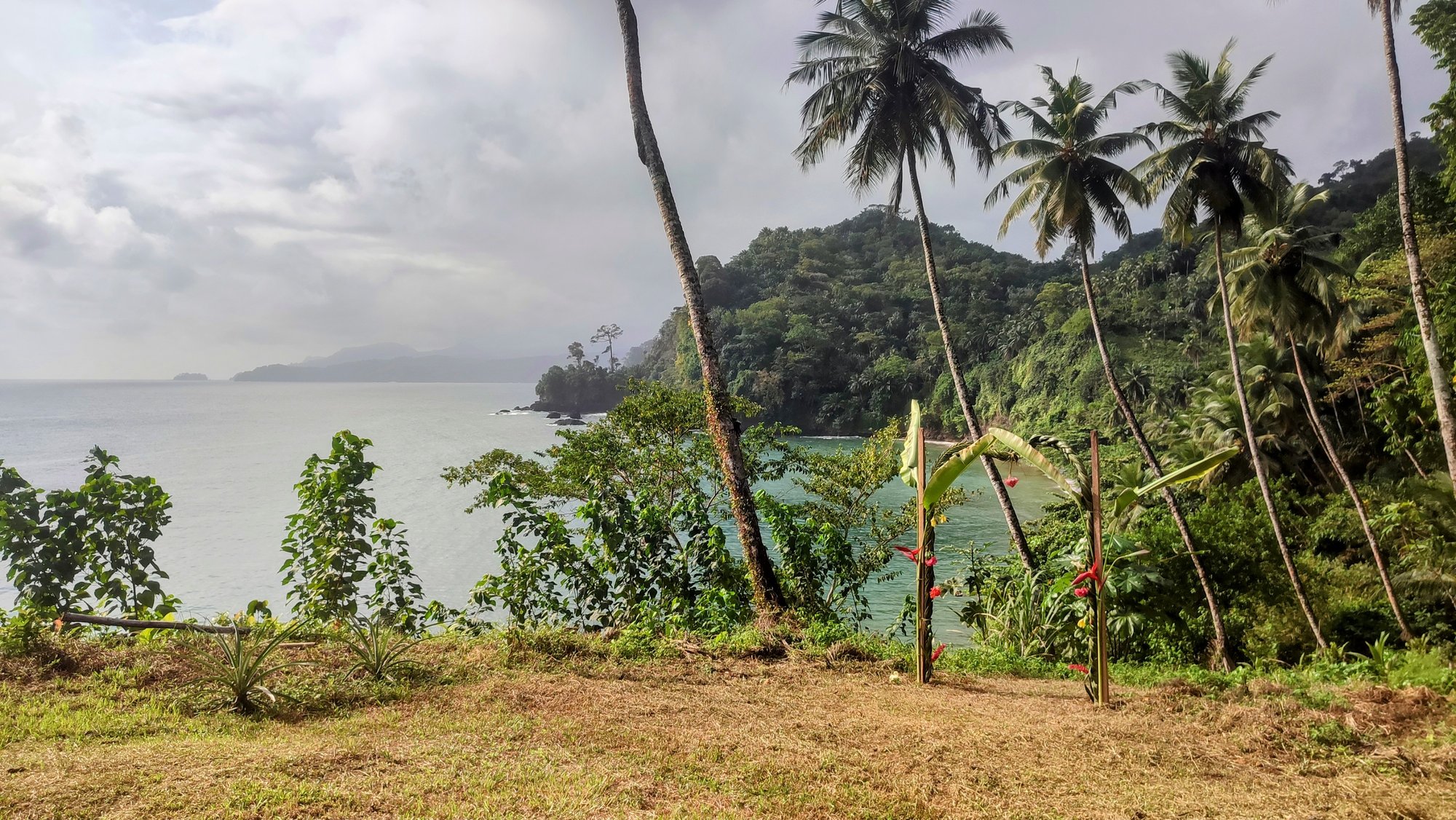
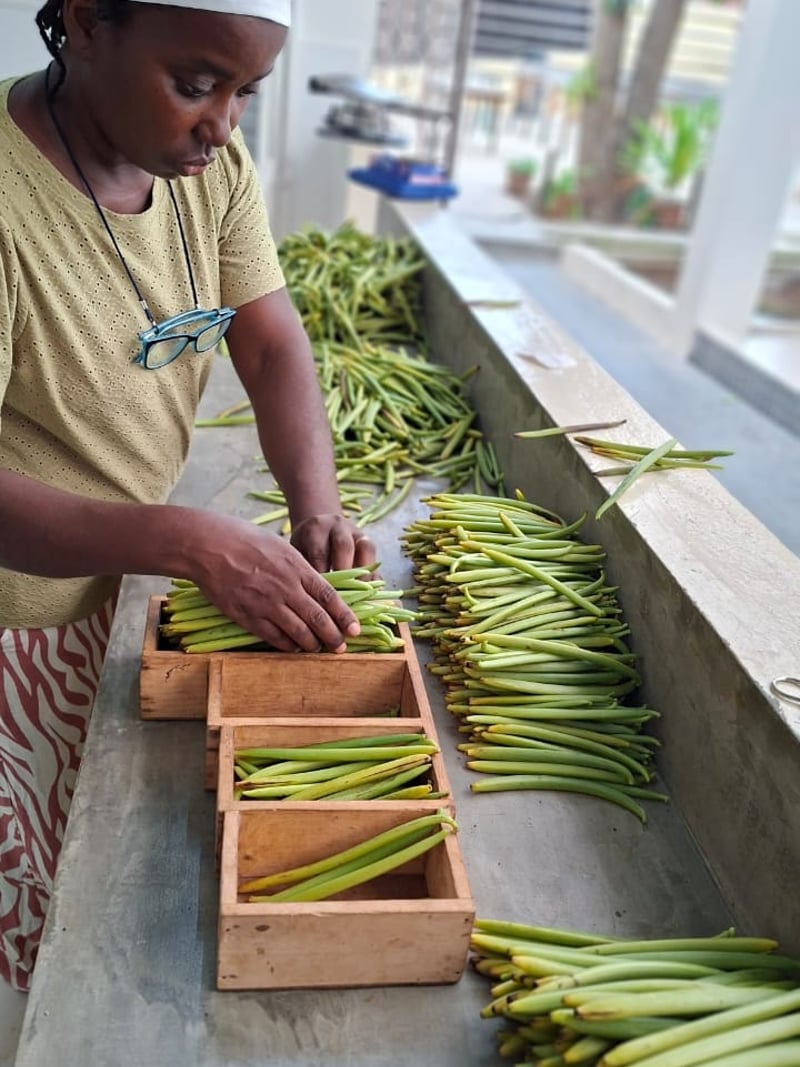
Delícias das Ilhas is a Santomean brand rooted in the south of the island. Their Bio-certified vanilla plantation at Porto Alegre grows some of the finest vanilla in Africa, harvested and cured by hand.
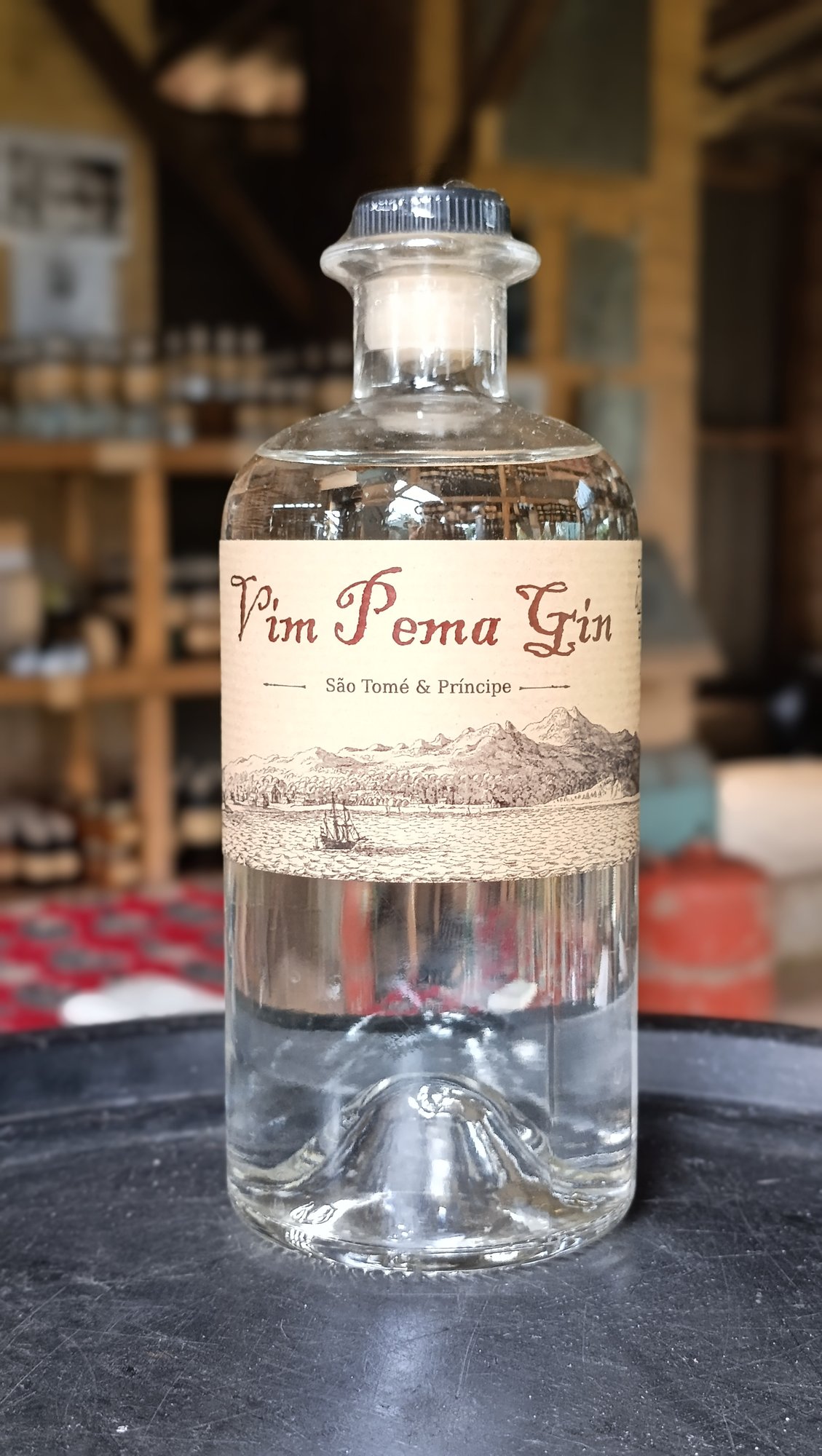
On the same estate, Bastien runs an artisan distillery producing Vim Pema Gin and a range of fruit liqueurs using botanicals from the plantation. The ecolodge at Praia Vanha offers bungalows overlooking the ocean, with guided tastings and plantation walks arranged on request.
A day out to the estate is worth building into any trip: time on the beach, a proper local meal, and the chance to taste spirits from someone who genuinely knows what they are doing.
Rather than making the drive, we can arrange a ride down the coast on a local boat, weather permitting. €50 return for one person, €40 per person for two, or €30 per person for three or more. If conditions are rough, we do not run it that day, but any costs are refunded.
Prices include the tour and tastings. However food and drink purchases are not included but trust me, they are recommended. Just remember however, that although boat trip back may be a little more fun if you're swaying prior to getting into it, you may regret that ten minutes in.
Island Horizons · Citizenship Programme
Citizenship by Investment
São Tomé and Príncipe now offers a formal citizenship by investment programme. A single qualifying contribution opens the door to a second passport, visa-free access to over 70 countries, and the right to live and work in the islands.
US$90,000
Contribution (single)
3 months
Processing time
70+
Visa-free countries
Included
Family members
Explore the Best of São Tomé. Plan Your Trip With Us.
Get in touch directly. We are happy to help plan your trip, arrange car hire, book tours, or answer any questions about the island.